The Kitchen Project is an Amazon affiliate.
I receive a small commission from sales
from the Amazon Product Links on all the pages from The Kitchen Project
If you look back to the medieval world, when our German ancestors gathered on Christmas Eve, they were right in the middle of the Rauschnächte—the “smoke nights,” also known in some regions as the Rauhnacht, the Rough Night, or even the Hairy Night. These were the twelve uncanny nights between Christmas and January 6, the leftover days between the lunar and solar calendars.
People believed this was a small stretch of time when the Veil between the spiritual and physical worlds thinned, and strange, wandering forces could slip through the ether and haunt the physical world and heaven forbid YOUR HOME.
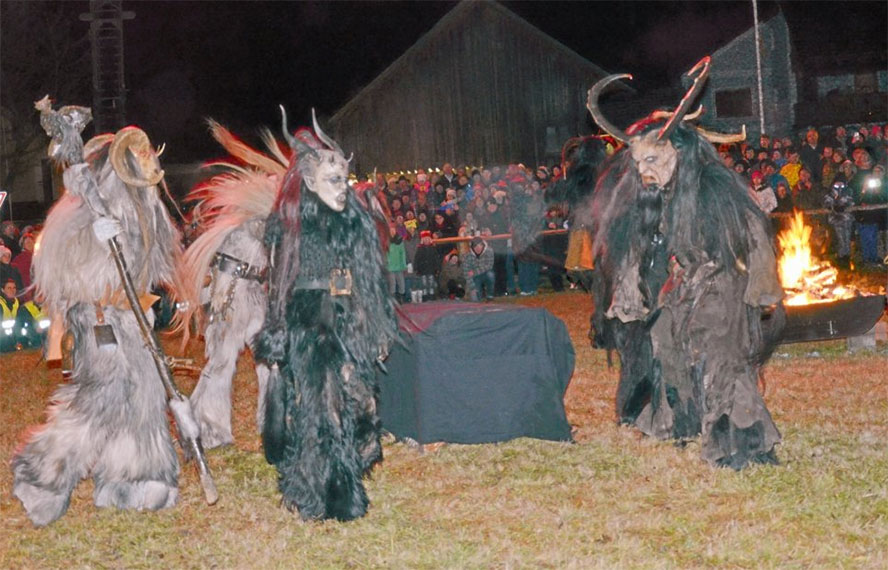
In some Alpine regions, this was the night when die Haarigen, the “hairy ones”—wild, shaggy spirits of winter—were said to roam the dark, reminding everyone why protection rituals mattered.
The song The Twelve Days of Christmas was sort of a Catholic version of the 12 Rauschnights and Rauh nights, with the verses perhaps pertaining to Chatecism.
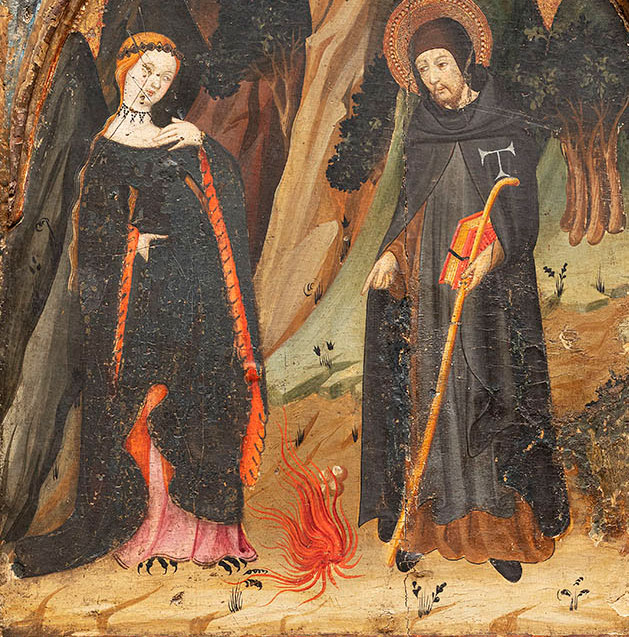
The painting above shows that to keep their households safe from the spirits, families burned bundles of herbs—sage, juniper, frankincense or incense—and carried the fragrant smoke from room to room. The cleansing wasn’t just physical; it was meant to sweep out old energy and make space for blessings in the year ahead.
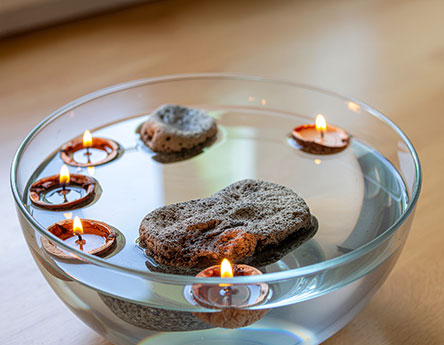
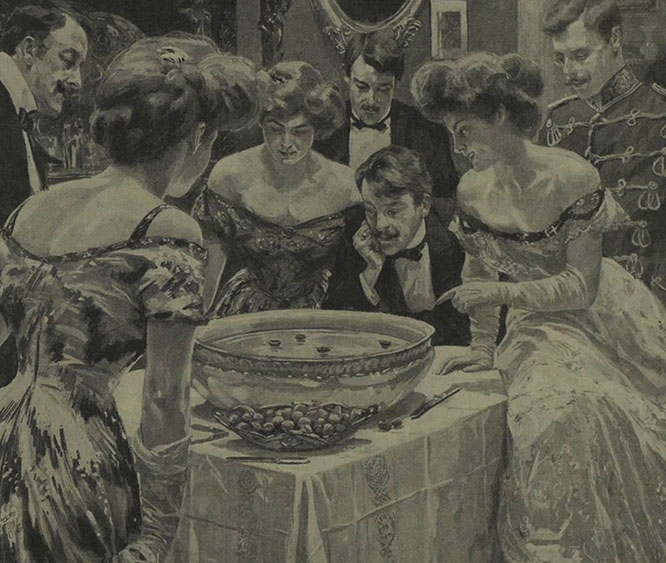
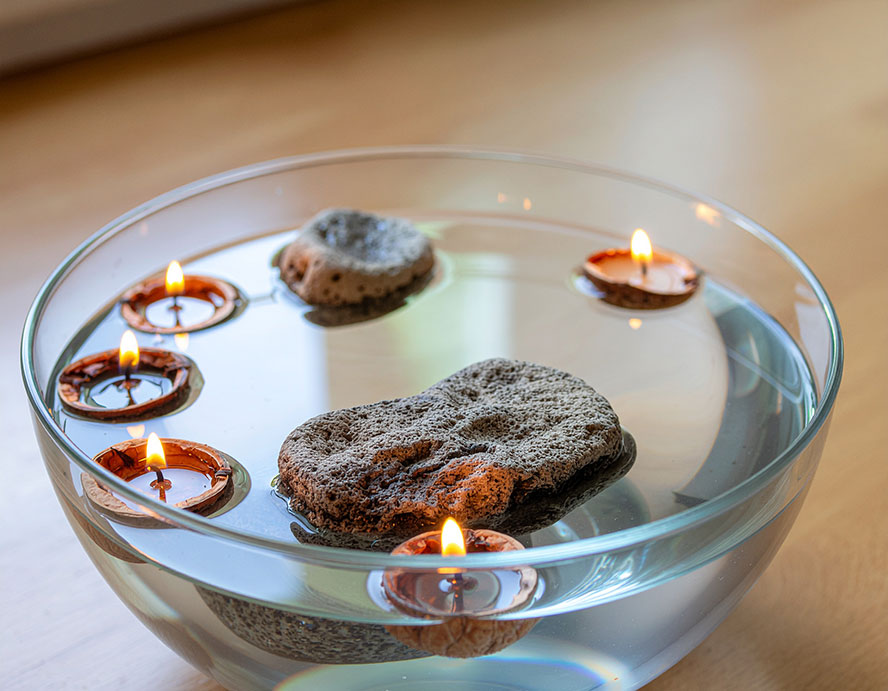
These nights were also a time for fortune‑telling, wish‑making, and seeking a little comfort about the uncertain future. Lead shapes and walnut boats whispered a possible fate for the upcoming year depending on who translated the shape, shadow or motion of the walnut boat candle.
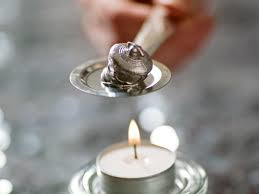
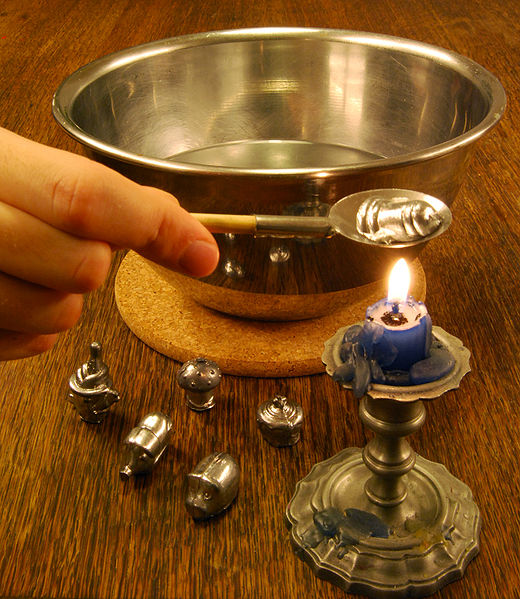
As Christianity spread, the meaning of the season shifted, but many of the old customs stayed. One of the most enduring was Bleigießen, the melting of lead—the alchemists’ metal of “time”—and pouring it into cold water. The odd little shapes that formed were interpreted as hints of what the new year might bring.
And by the time New Year’s Eve arrived, everyone made as much noise as possible at midnight—bells, pots, pans, fireworks—anything loud enough to chase away the last of the wandering spirits and welcome the new year with a clean slate.
the “hairy ones”—wild, shaggy spirits of winter
Germanic Big Foot with a Mission
In the Middle Ages, the Rauhnächte were feared as a breach in the year’s order, a time when the dead wandered and the old gods still pressed against the edges of Christian Europe. Chronicles from alpine villages spoke of die Haarigen, the Hairy Ones, slipping from the black forests during the twelve nights, their matted pelts dripping with meltwater and ash. They were said to punish disorder—unspun flax, an untidy hearth, a household that ignored the sacred stillness of midwinter. Travelers caught on the roads told of low growls behind them, of footprints too large to be human yet too deliberate to be beast. Families barred their doors, hung iron at the windows, and prayed the Hairy Ones would not circle their homes, sniffing for those who had broken the ancient winter laws.
From the Smoke Nights
to More Calm
"Silvester" (German term for New Years Eve)
As the centuries rolled on to the mid 1500's, the wild winter magic of the Rauhnächte didn’t disappear — it simply slid down the calendar and reinvented itself as Silvester. And yes, the name really does come from a person: Saint Silvester, a 4th‑century pope whose feast day falls on December 31, the day he died.
He wasn’t especially connected to fireworks or fortune‑telling, but because his day landed right at the turning of the year, the whole celebration eventually took on his name. The Catholic church used incense in the service still, mostly to create a symbolic gesture of the prayers rising to heaven and to purify the space you are praying in.
As the old smoke‑cleansing and spirit‑chasing customs faded from Christmas week, people carried them forward to Silvester night. Instead of warding off “hairy night” spirits, folks now chased away the uncertainties of the coming year with fireworks, clanging pots, and joyful midnight noise. Fortune‑telling survived too — melting lead, reading shapes, and making hopeful wishes, eating lucky foods and drink,
as the clock ticked toward twelve. In a way, Silvester is just Rauhnacht dressed up for a party: still loud, still a little mystical, and still determined to send the new year off on the right foot
From Silvester to Modern Day
Finding Good Luck
In
2026
I think we all have hopes and dreams for
2026, just as my great uncle Phillip, and great grandpa (Opa)
Heinrich, did back a hundred plus years ago in Germany.
They were probably having a fish dinner and saving a carp scale, or
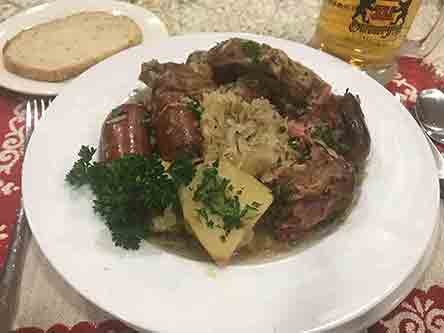
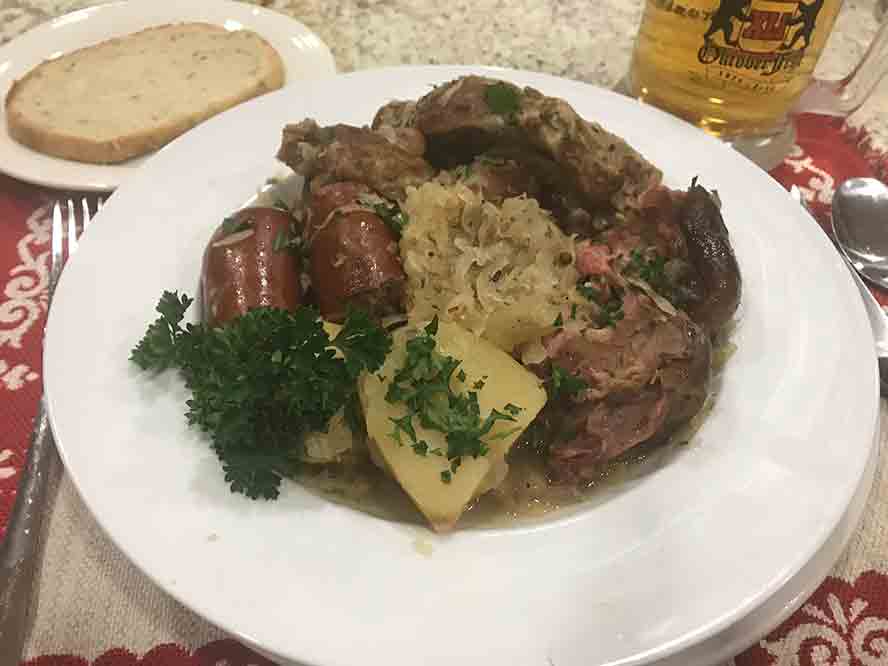
more likely a sauerkraut and pork dinner. Both of these
were meant to assure financial security for the coming year.
Good luck was important before we had financial advisors, welfare, credit cards, weather forecasts, etc to help us see the future. we have software to see if someone is near our house and 911 to call if they do. We know many of our medical needs, and with testing know which medication to take.
Also if you put your faith in god that relieved
In my great granpa's time, approaching New Years Eve,
You had no way of knowing what menacing situation was coming their way.
Of course you put your faith in god,
and that has always been huge in Germany whether you were Catholic or Lutheran.
But many felt that was not enough so
they turned to the ancient practice of,
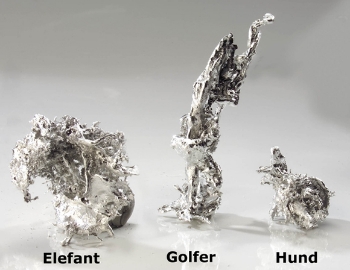
Bleigiessen
Bly + Geezen
Blie = Lead and Geissen = Pouring
Pouring molten lead into cold water
and then reading the shape
and what it
is whispering to you about your future
Each shape historically has a message,
Like the Elefant (elephant) is a good luck
symbol
Another German Christmas Eve fortune telling practice is....
The Walnut Boat Oracle (Walnussschiffchen Orakel)
While floating walnut candles in a bowl of water make a nice centerpiece,
many of our ancestors used these to
guess what may be coming in the new year.
Where your candle floats to depends on what the future holds. if it travels across the bowl,
then a vacation or new job may be in your future a distance away.
There is a chart that tells what your walnut boat is telling you.
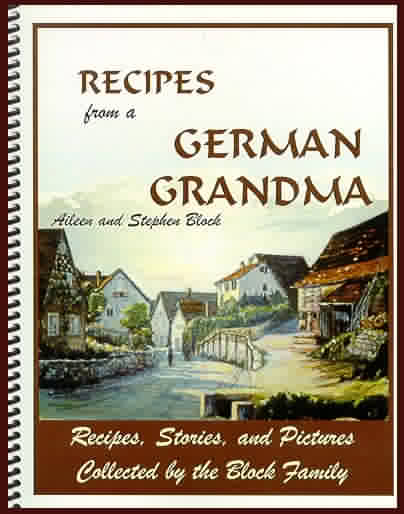
Our German Cookbook
Our Cookbook of the Recipes and Stories
of my
German Grandma
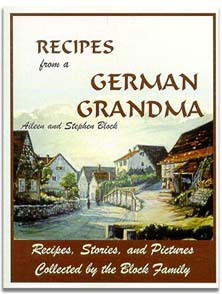
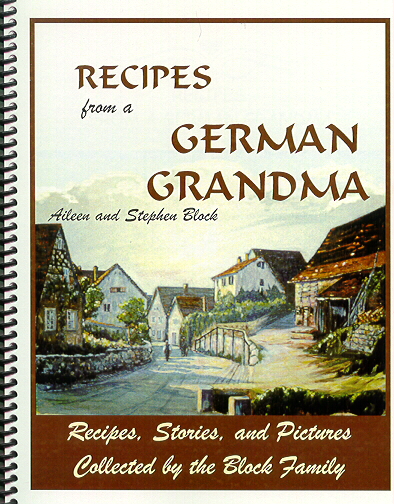
Recipes from a German Grandma
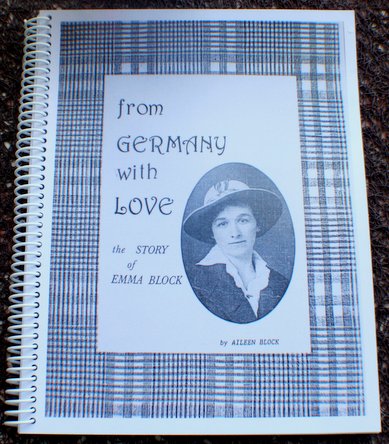
A recipe book and short biography of my Grandmother Emma Block. Her recipes, culture and cooking styles that were brought over from Germany. How they evolved when she came to America in the early 1900s and settled in Portland, Oregon on the west coast of the United States. Over 100 recipes
...tells the story of my grandma, Emma Block, growing up in a little town in Baden/ Würtemberg, Germany near Heidelberg named Steinsfurt. Then at the age of 15 immigrating to the United States, taking a train with one of her sisters and brothers to Hamburg and sailing the Atlantic with other hope filled Germans wanting to make a life in the "New World". It was not easy but with good values learned in her German upbringing made a full life, had a wonderful family with lots of fun and celebration including the great German meals.
“This year, consider celebrating New Year’s Eve twice. Look up when it strikes midnight in the German town your family came from — often six to eight hours ahead — and mark that moment with a German tradition: a bite of herring, a melted‑wax fortune, a marzipan pig, or a toast with Sekt. Then, when American midnight arrives, join the countdown, fireworks, and champagne. It’s a beautiful way to honor where your family began and where you are now — two celebrations, one heritage.”
Celebrate!
Two Midnights, Twice the Fun
Why toast the New Year just once when you can do it twice? Many German-American families mark Silvester (New Year’s Eve) by celebrating midnight in Germany—6:00 PM Eastern / 5:00 PM Central—then again at local time. It’s a joyful way to honor heritage and stretch the party!
Ideas to Double the Festivities:
�� 6 PM Toast: Raise a glass of Sekt or sparkling apple juice as the bells ring in Germany.
�� Livestream Berlin: Watch fireworks over the Brandenburg Gate.
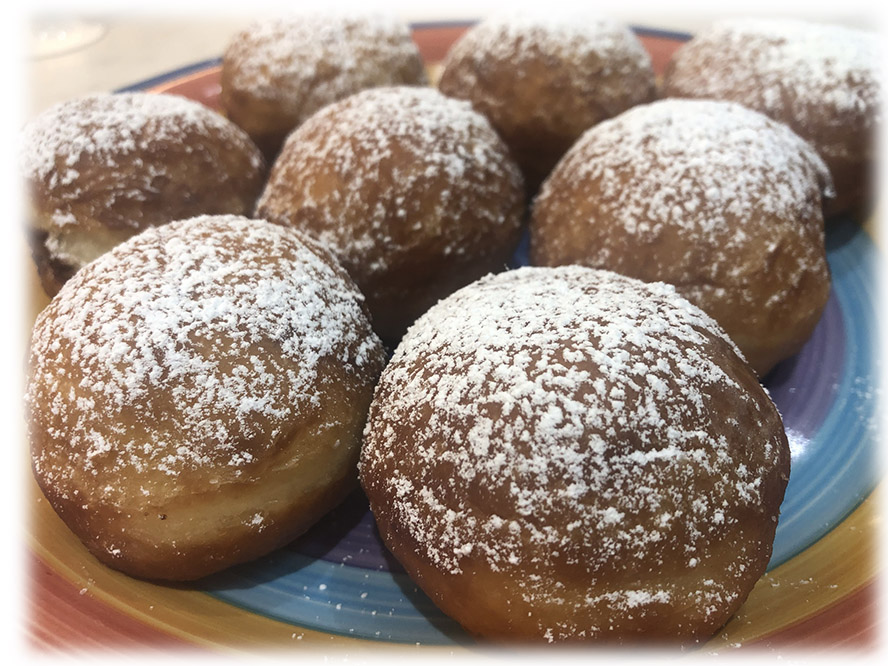
��️ German Bites: Serve Berliner (jelly doughnuts), Raclette, or Würstchen mit Kartoffelsalat.
�� Bleigießen: Try the old tradition of lead-pouring (or its safer modern versions with wax to predict the year ahead.
�� Local Countdown: When midnight strikes again, light sparklers, sing Auld Lang Syne, and welcome the New Year American-style.
Consider Doing Custom
German American Dishes
It is fun to remember our heritage with German Flavors.
However many of these dishes are a little foreign to the American palate.
Since Germany has always been about tradition but with adaption,
why not blend a German dish with an American, for a fun
tribute and maybe a new tradition for
2026.
Here are some ideas
🎉 Hybrid German‑American New Year’s Eve Dishes
“Move the fence posts of tradition — without losing the fence.”
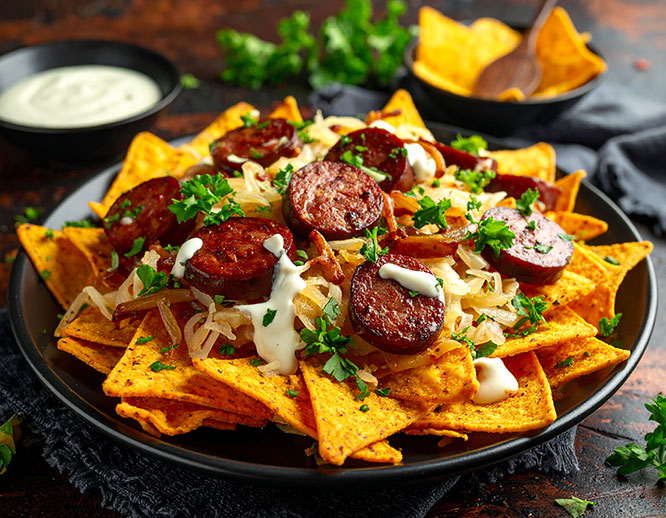
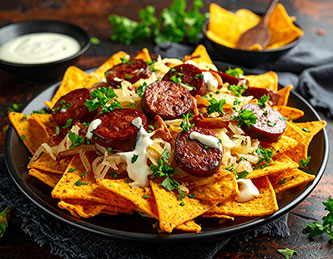
🥨 1. German Nachos (Yes, This Should Exist)
Nachos are pure American party food — casual, shareable, customizable. German flavors can slide right in.
⭐ German Nacho Ideas
Why it works
Nachos are familiar, fun, and forgiving. German flavors feel less “strange” when they’re part of a party platter.
🍖 2. German‑American Meat + Kraut Mashups
⭐ Ideas
Korean Ribs + Sauerkraut Sweet‑spicy Korean marinade + tangy kraut = magic. (Kraut behaves like kimchi’s cousin here.)
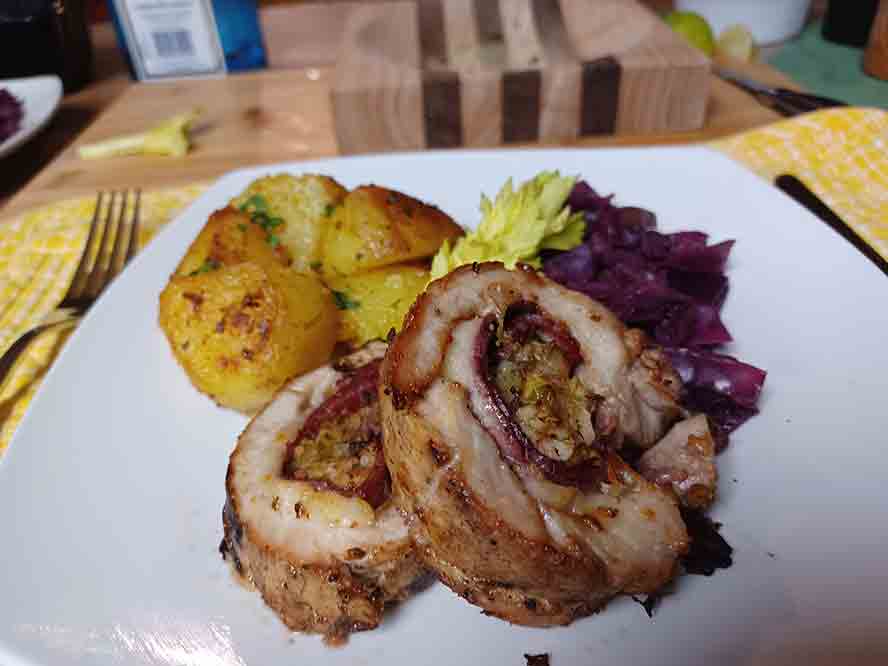
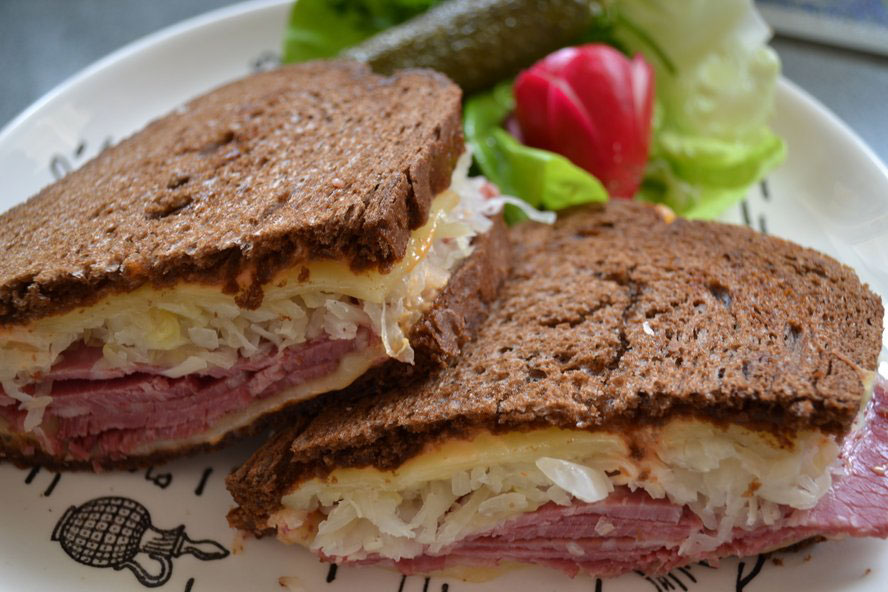
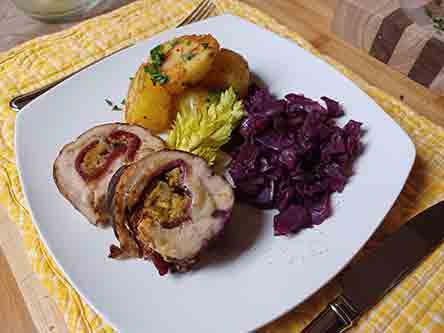
Reuben Rouladen ,Pork Rouladen + Corned Beef, Sauerkraut and Swiss Cheese Go Here for the Recipe
Pulled Pork on Mashed potatoes with Sauerkraut braised with apples
BBQ Brisket + Warm Bavarian Potato Salad The vinegar‑bacon dressing cuts through the richness beautifully.
Buffalo Pork on German Potato Pancakes (Reibekuchen) Use the pancakes as “tostadas.” top with some buffalo pork with shredded cabbage, carrot slaw. Ranch or Blue Cheese drizzle
Why it works
American BBQ and German pickled/fermented sides balance each other perfectly — fat + acid, smoke + tang.
🥗 3. Lighter, Modern German‑American Fusion
For families who want something fresher.
⭐ Ideas
Kale Salad + Roasted Pork Loin slices, Add apples, toasted walnuts, and a mustard‑honey vinaigrette for a German flavor profile.
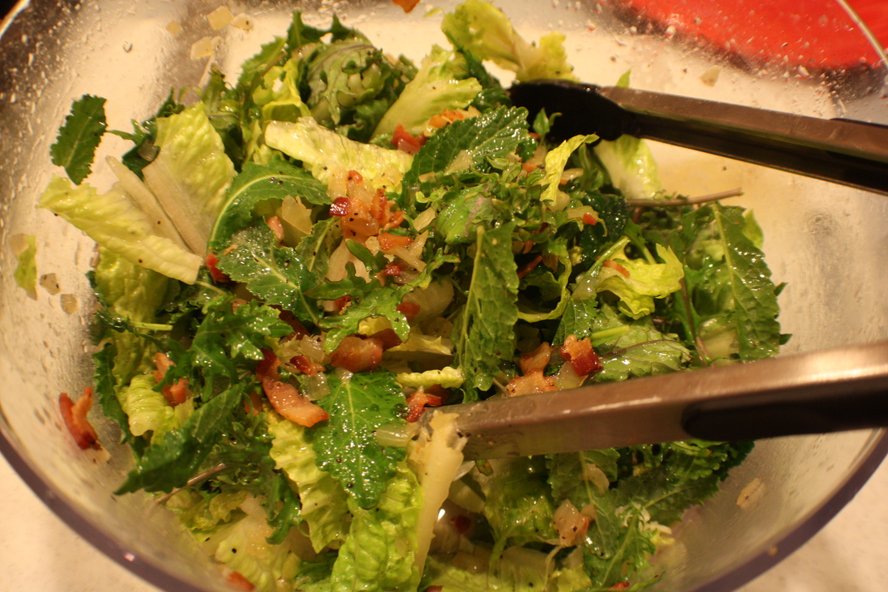
Spinach Salad + Warm Bacon‑Vinegar Dressing A nod to Bavarian potato salad dressing.
Roasted Brussels Sprouts with Pretzel Croutons Pretzel texture + roasted veg = instant German vibe.
Smoked Salmon or Crab Salad Instead of Herring Salad Same idea, more approachable for American palates.
Why it works
You keep the spirit of German dishes (mustard, vinegar, apples, pork, hearty greens) while using American ingredients people already love.
🍲 5. Hybrid Soups & Stews
Warm, cozy, and perfect for a winter holiday.
⭐ Ideas
Black‑Eyed Pea + Lentil Soup American Southern luck + German New Year’s lentils.
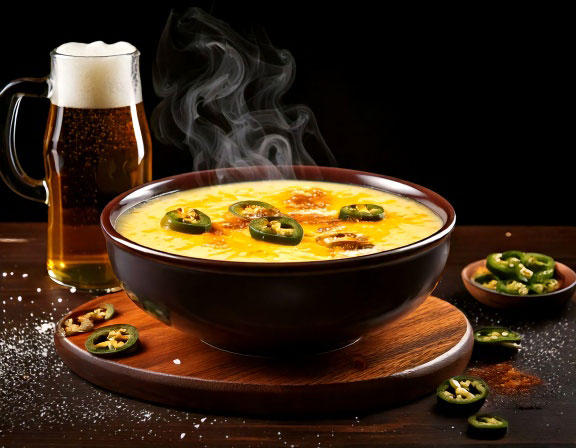
Beer Cheese Soup with Green Chiles Wisconsin meets Bavaria meets New Mexico.
Sauerbraten Chili Use sauerbraten spices (clove, allspice, vinegar) in a beef chili.
Why it works
Soups are easy to adapt and carry symbolic foods (lentils, pork, greens).
🍰 6.German Dessert Hybrids
Because German sweets + American fun = perfect.
⭐ Ideas
Berliner Donuts Filled with American Flavors Peanut butter cream, maple bacon, or s’mores filling.
Apple Strudel Nachos Cinnamon‑sugar flour tortilla chips + apple compote + whipped cream.
Black Forest Brownies Brownies topped with cherries, whipped cream and chocolate shavings.
(
optional, douse with Cherry Schnapps, I highly recommend for the true German in us all.)
Through modern technology we can enjoy music from Germany at the touch of your computer, there are many venues now, Pandora, Amazon music, and Youtube is free.
I love my noise canceling headphones that are completely wireless and give incredible sound!
over 2500 perfect reviews, it is a bit of an investment but worth every penny.
Dinner for One
a
German New Years Eve
Tradition
Germans encounter similar misgivings by members of other cultures about their unflappable enthusiasm for the short film "Dinner for One". The 14-minute British stage sketch is shown over and over again on every German TV channel on New Year's Eve. "The same procedure as every year, James" became a familiar catchphrase in the German-speaking world since it was first broadcast in 1963
Dinner for One
This is a tradition in Germany
How in the world did this become so popular in Germany,
When it is almost unheard of in England?
Here is a documentary on Dinner for One
Berlin, Germany Fireworks 2025- New Year's Eve Fireworks
Silvester Party Mix 2017/2018 |
Silvester Kracher Schlager & Party Mix | 1h Dance,


 \
\