Recieve our free
German Goodies Recipe
Newsletter


How to Make Lebkuchen Hearts

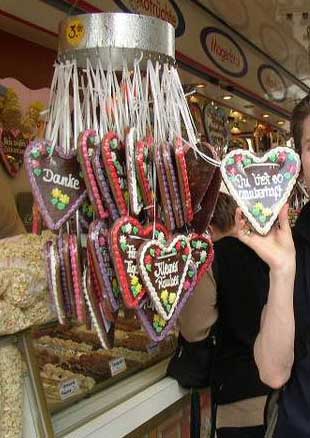
While the spiced gingerbread known as Lebkuchen has existed in Germany since the 13th century, the decorated Lebkuchen hearts

 (Lebkuchenherzen) as we know them today are a relatively recent tradition. The modern heart was invented in the 1960s by Munich baker Gustav Teschernich for the Oktoberfest to replace fragile chocolate versions that melted easily. His innovative, durable gingerbread hearts featured a tough sugar glaze and short, affectionate German messages like "Ich liebe Dich" (I love you), which were an immediate sensation.

Today, these iconic cookies are synonymous with German fairs and Christmas markets. They are designed to be worn around the neck using a ribbon threaded through two holes at the top, serving as a highly visible, edible token of affection or a souvenir.

The Lebkuchen heart tradition successfully merged the ancient history of German spice cakes with the modern, charming custom of sharing sweet, wearable messages of love.

    Kitchen Project   German Recipes       German OnlineShop


Yields: About 15 hearts

Ingredients:
1 ½ cups (200g) plain flour
¾ cup (150g) soft brown sugar
3 tablespoons softened butter
½ cup (150g) runny honey
1 medium egg
1 cup (120g) ground almonds
2 tablespoons cocoa powder
1 teaspoon baking powder
1 teaspoon ground cinnamon
2 teaspoons ground ginger
½ teaspoon ground allspice
¼ teaspoon ground cloves
¼ teaspoon ground nutmeg
1 teaspoon vanilla extract
Pinch of salt
2 tablespoons candied mixed peel
(or lemon/orange zest for a simpler version)

For the Glaze: 14 oz (400g) dark chocolate


printer friendly           Metric Conversion Chart


Our German Heritage Recipe Cookbook

~~~~~~~~~~

Kitchen Tool Discussion

The Kitchen Project receives a small commission on sales from Amazon links on this page.

Full Affiliate Disclosure Policy

Directions:

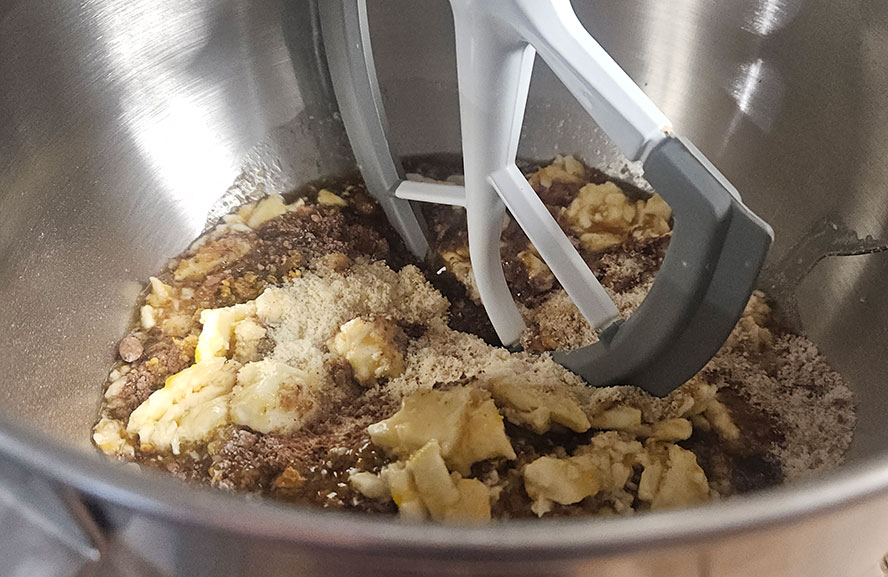
1. Mix wet ingredients: In a large bowl, mix the brown sugar, softened butter, and honey together until you have a smooth mixture.

2. Stir in the egg and vanilla extract.

3. Combine dry ingredients: Add all the remaining cookie ingredients (flour, ground almonds, cocoa powder, baking powder, spices, and salt) except the mixed peel to the bowl. Mix well, then use your hands to press everything into a very sticky dough ball.

4. Add peel and chill: Gently knead the candied mixed peel (or zest) through the dough until evenly distributed. Cover the bowl and place the dough in the fridge for at least 30 minutes to firm up.
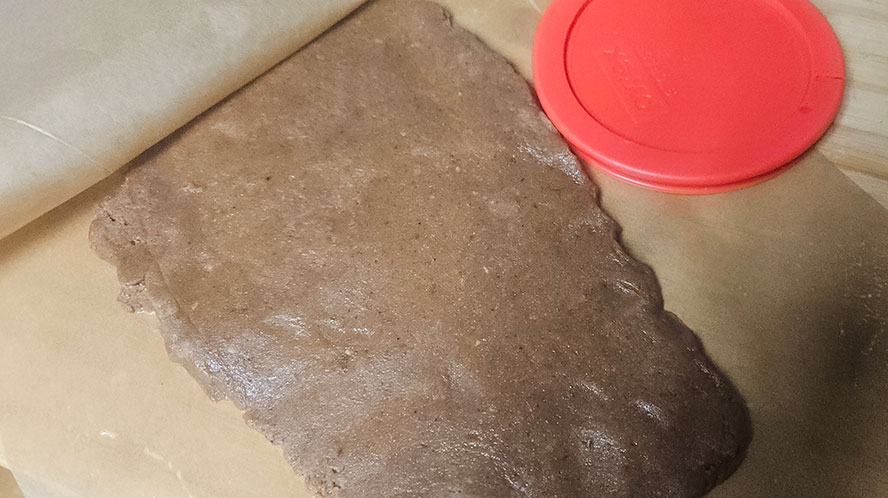
Preheat your oven to 350°F (180°C) and line one or two large baking trays with baking paper. Remove the dough from the fridge and, on a lightly floured surface, roll it out to about 1/4 -inch (1 cm) thickness.
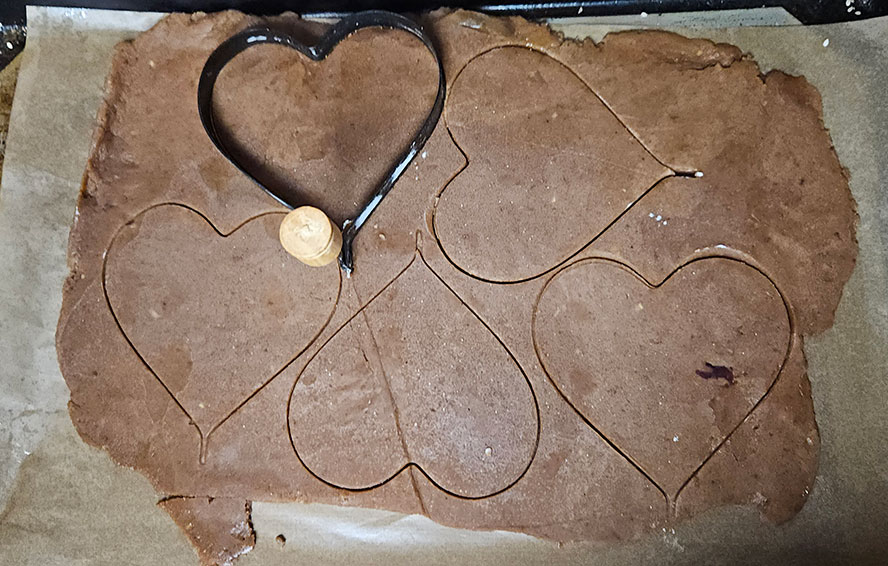
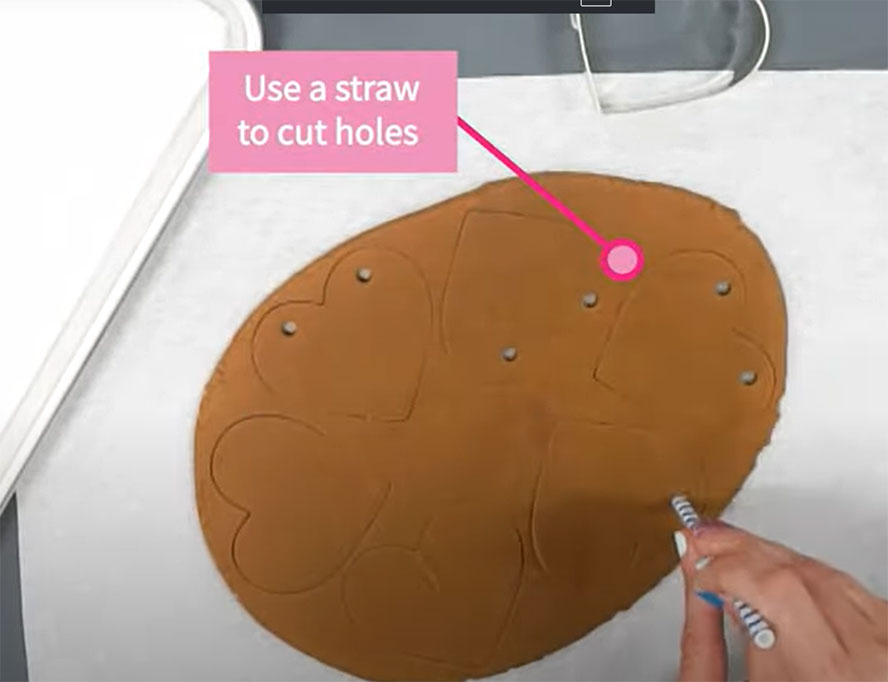
5. Cut shapes and bake: Dip a heart-shaped cookie cutter in flour if it sticks to the dough, cut out your cookies, and place them onto the lined trays. If the dough seems too soft and won't pick up without tearing. Put the tray in the freezer for 15-20 min until it firms up.
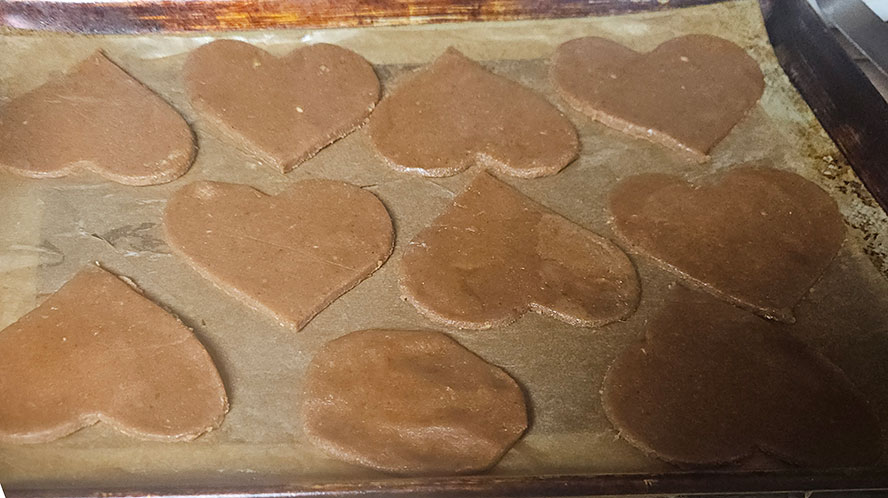
 

Bake for 8 minutes, flip the pan and Bake another 5 to 8 min. depending on how soft you want the cookies
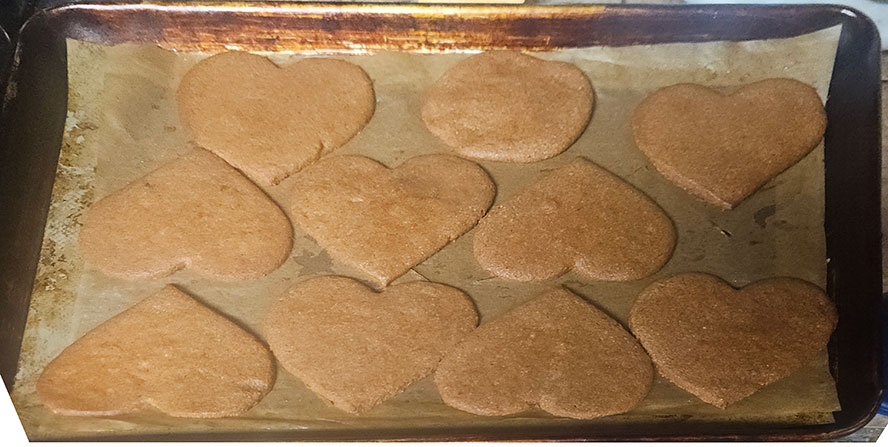


You know gingerbread cookies are done when the edges look set and slightly browned,
the tops lose their shiny, wet look and become matte, and they feel firm but not hard when gently touched.
For softer cookies, pull them when the edges are just set and the center is still slightly soft;
for crispier ones, bake until they are fully dry and darker. 


6. Cool completely: Let the cookies cool completely on the tray before glazing.

7. Glaze the hearts: Once cooled, melt the dark chocolate. Dip each Lebkuchen heart into the chocolate, one at a time, allowing the excess to drip off. Place them back onto the lined tray to set. Store: Store the finished cookies in an airtight container. The flavor improves over the next few days as they soften.


How to decorte Lebkuchen Hearts


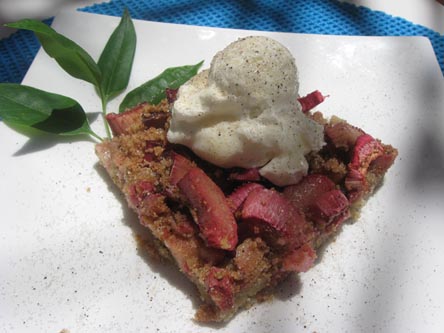
Rhabarber Blechkuchen
Rhubarb Sheet Cake

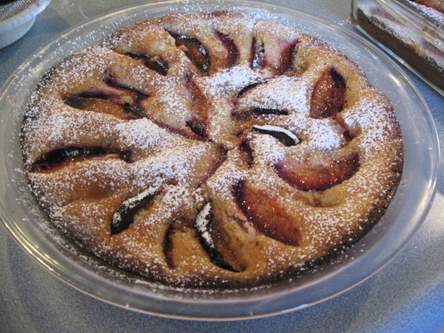
German Plum Cake


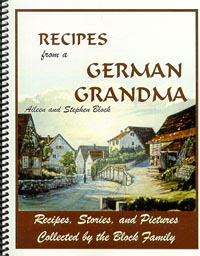
Our German Cookbook  

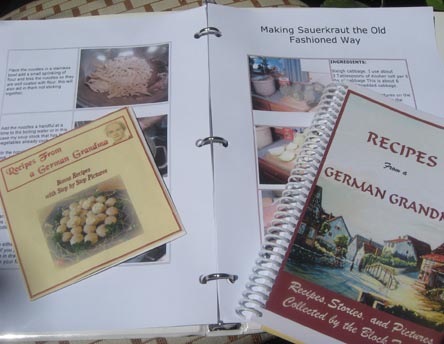
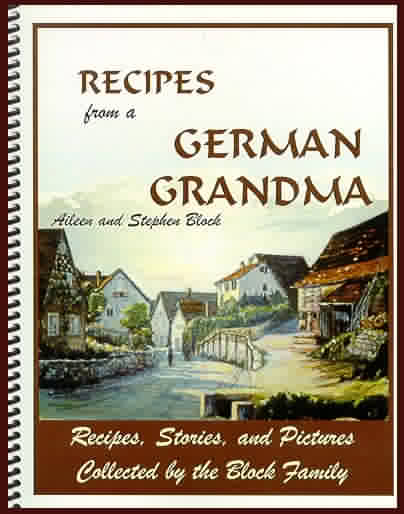
A recipe book and short biography of my Grandmother Emma Block. Her recipes, culture and cooking styles that were brought over from Germany. How they evolved when she came to America in the early 1900s and settled in Portland, Oregon on the west coast of the United States. Over 100 recipes

Bonus Recipe CD with the Ebook and recipes with step by step pictures


Look inside and check out a sample of our book

 
Order our Cookbook with the CD  

Order the Kindle Version

\

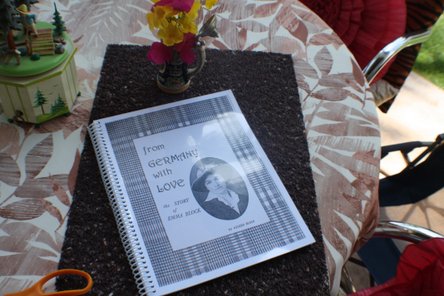
Biography of my grandma
Emma Block
From Germany with Love tells the story of my grandma, Emma Block, growing up in a little town in Baden/ Würtemberg, Germany near Heidelberg named Steinsfurt. Then at the age of 15 immigrating to the United States, taking a train with one of her sisters and brothers to Hamburg and sailing the Atlantic with other hope filled Germans wanting to make a life in the "New World". It was not easy but with good values learned in her German upbringing made a full life, had a wonderful family with lots of fun and celebration including the great German meals.

Order Here


Looking for another recipe?

Enter your recipe request and search


Where to shop for German Foods and Things


Do you have a question or comment on this recipe?
make sure you put the recipe name in the subject line


Listen to German Music
Listen to the Chicken Dance, and download it
CD's recommendations and links


Do you have a German Name?
Also what your German name means

Do you want to learn to speak a little German?
Learn one word a day.

Explore your German Heritage
Find out if your relatives came over through Ellis Island and more good links


Privacy Policy

Terms and Conditions

Disclaimer

Refund Policy


Back to top

E-Mail The Webmaster stephen@kitchenproject.com
© 1998- to present The Kitchen Project 

Last updated December 13, 2025